A practical clinical guide explaining when veterinary ultrasound should be used first, how it improves diagnostic accuracy, and why it has become essential in modern veterinary practice.
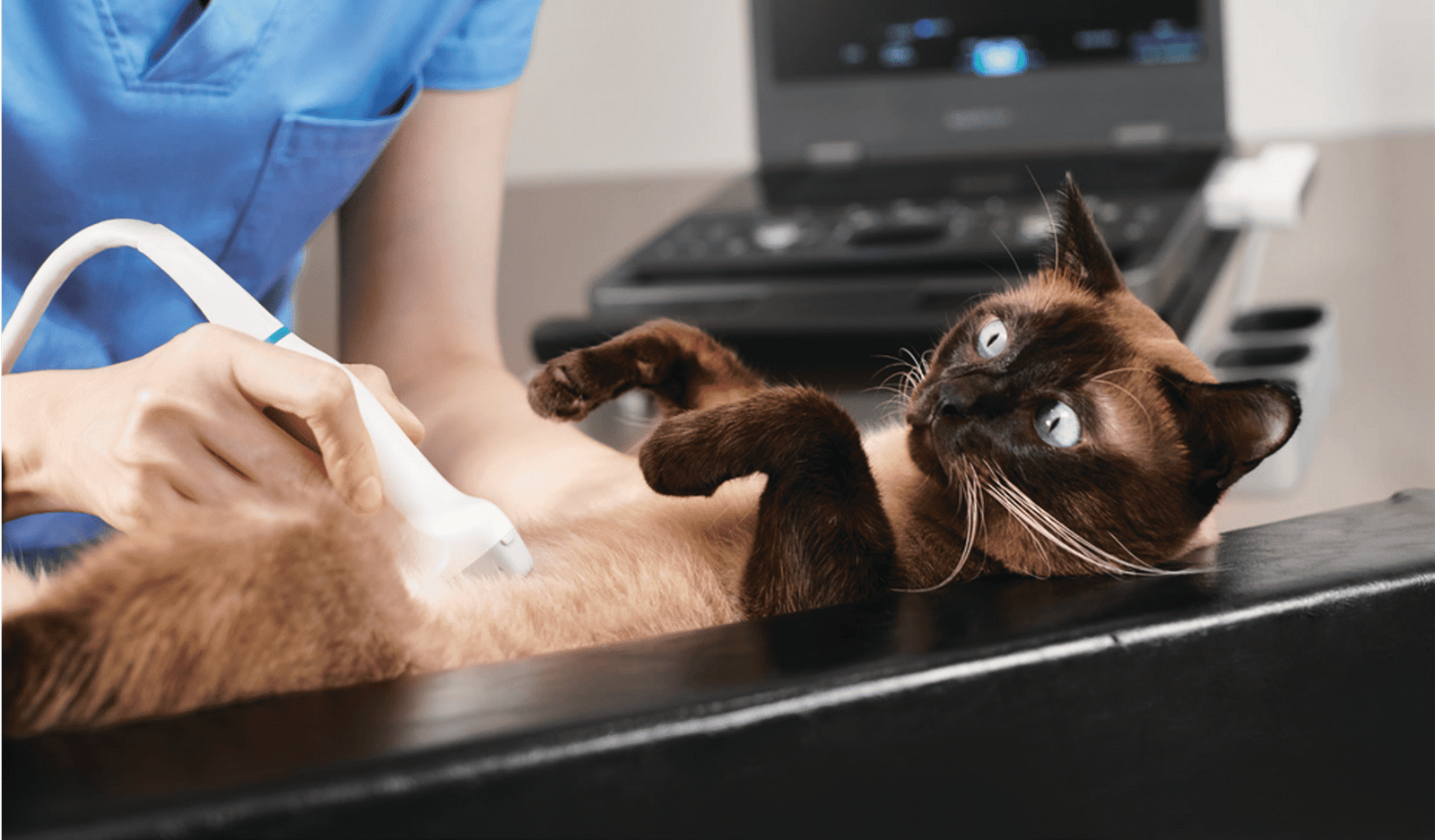
Veterinary ultrasound has evolved from a specialist-only imaging modality into a core diagnostic tool used daily in general practices, referral hospitals, and emergency settings.
Its ability to deliver real-time, non-invasive, repeatable, and information-rich imaging makes veterinary ultrasound uniquely suited to modern clinical workflows, where rapid decision-making and diagnostic confidence are essential.
Today, veterinary ultrasound is no longer just about “seeing images.”
It is about shortening diagnostic timelines, reducing clinical uncertainty, and improving outcomes for patients, veterinarians, and veterinary practices alike.
As a result, veterinary ultrasound is now considered a cornerstone diagnostic modality across general practice, emergency care, and referral hospitals.
For clinics with limited space, portable systems are often the most practical option. You can read more about portable veterinary ultrasound for small clinics here.
┃Why Veterinary Ultrasound Is Now a First-Line Diagnostic Tool
Veterinary ultrasound is now widely used as a first-line diagnostic tool because it provides immediate, actionable clinical information without radiation or invasiveness.
Veterinary medicine faces a fundamental challenge: animal patients cannot describe their symptoms. Clinical signs are often vague, overlapping, or non-specific, and valuable time can be lost while veterinarians attempt to narrow down possible causes.
Veterinary ultrasound addresses this challenge directly in daily clinical practice. By allowing clinicians to visualize organs, soft tissues, fluid accumulation, and blood flow in real time, ultrasound often becomes the first imaging modality to guide diagnosis—especially when physical examination and laboratory results are inconclusive.
For this reason, veterinary ultrasound is increasingly used either before or alongside radiography, particularly for soft tissue, abdominal, and cardiovascular evaluations.
┃When Should Veterinary Ultrasound Be Used First?
Veterinary ultrasound should be used first when rapid visualization of soft tissues, organs, or internal fluid is critical for clinical decision-making.
In daily practice, the question is often not whether to use ultrasound, but when it offers the most efficient diagnostic pathway. Below are common clinical scenarios where veterinary ultrasound is typically the preferred first choice:
▸ Unexplained vomiting or diarrhea
→ Abdominal ultrasound to evaluate liver, intestines, pancreas, and free fluid
▸ Heart murmur or respiratory distress
→ Echocardiography to assess cardiac structure and function before initiating treatment
▸ Trauma, collapse, or shock
→ Trauma, collapse, or shock → FAST / AFAST / TFAST exams within minutes to identify free fluid, pneumothorax, or pericardial effusion (Learn which ultrasound is ideal for emergency use).
▸ Abnormal bloodwork (liver enzymes, kidney values, inflammatory markers)
→ Ultrasound as the next diagnostic step to localize underlying pathology
In these situations, ultrasound shortens the path from clinical suspicion to clinical action.
┃Key Clinical Applications Across Veterinary Departments
Veterinary ultrasound supports multiple clinical departments, each with distinct diagnostic objectives and workflow demands. Learn how ultrasound can boost diagnosis, revenue, and client trust across departments.
• Internal Medicine
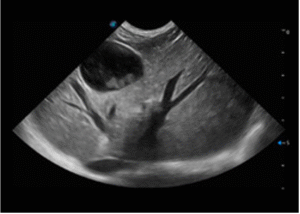
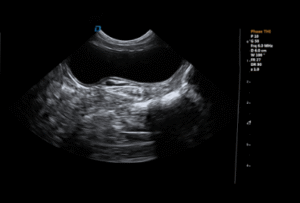
Veterinary ultrasound helps localize lesions, characterize organ changes, and differentiate between inflammatory, degenerative, and neoplastic conditions. This reduces diagnostic uncertainty and limits unnecessary empirical treatments.
• Surgery
Pre-operative ultrasound allows surgeons to plan their approach more precisely, while post-operative scans help monitor healing and identify complications early.
• Emergency & Critical Care
In emergency settings, ultrasound enables rapid triage and decision-making. FAST protocols can determine whether a patient requires immediate intervention within minutes.
• Cardiology
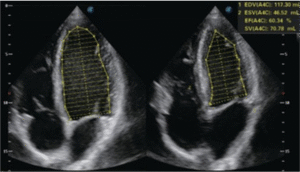
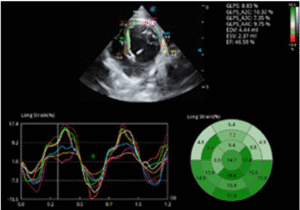
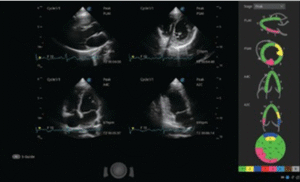
Echocardiography remains one of the gold standards for diagnosing and monitoring heart disease, including cardiomyopathies, valvular disease, and pericardial effusion.
• Reproduction & Breeding
Ultrasound is essential for pregnancy confirmation, fetal viability assessment, and reproductive disease evaluation, making it a high-frequency tool in both breeding clinics and general hospitals.
• Oncology
Ultrasound assists with tumor detection, staging, and ultrasound-guided biopsy, improving diagnostic accuracy while minimizing invasiveness.
┃How Veterinary Ultrasound Improves Diagnostic Accuracy and Workflow Efficiency
Veterinary ultrasound improves diagnostic accuracy not only through image quality, but by fundamentally optimizing clinical workflow.
✓ Faster diagnosis
Real-time visualization reduces delays and repeat visits.
✓ More confident decisions
Seeing pathology directly allows veterinarians to move from suspicion to certainty.
✓ Repeatable monitoring
Ultrasound can be safely used for follow-up examinations without radiation exposure.
✓ Guided interventions
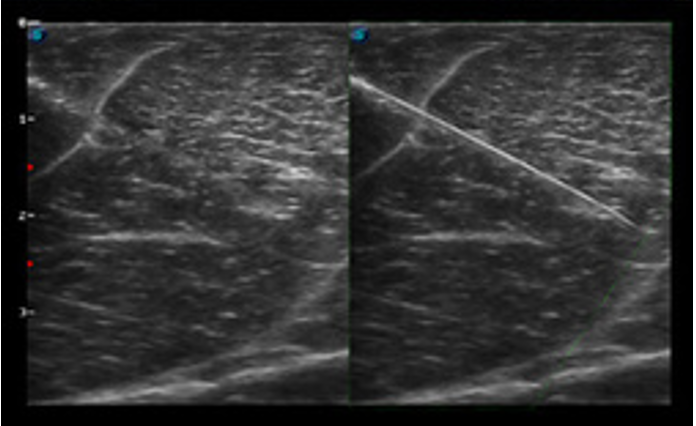
Ultrasound-guided procedures such as fine-needle aspiration (FNA), fluid drainage, and catheter placement increase safety and success rates.
Together, these advantages translate into better outcomes and more efficient daily operations.
┃Benefits Beyond Diagnosis: Value for Clinics, Hospitals, and Distributors
Beyond diagnosis, veterinary ultrasound delivers strategic value across the entire veterinary ecosystem.
→ For Veterinarians
✓ Increased diagnostic confidence
✓ Reduced reliance on empirical treatment
✓ Clearer communication with pet owners
→ For Clinics and Hospitals
✓ Fewer external referrals and reduced case loss
✓ Stronger continuity of care
✓ Higher client trust and treatment compliance
→ For Distributors and Partners
✓ Clear clinical positioning of ultrasound systems
✓ Easier education and demonstration of value
✓ Broader application coverage across departments
Veterinary ultrasound becomes not just a diagnostic device, but a long-term clinical asset, helping clinics boost revenue and client trust.
┃What to Look for in a Veterinary Ultrasound System (Daily Practice Perspective)
Choosing a veterinary ultrasound system should be based on daily clinical usability rather than feature quantity. See our guide for selecting the right emergency ultrasound.
In real-world practice, key questions include:
▸ Can the system cover 80–90% of daily clinical cases with one platform?
▸ Are image optimization and presets automated to support busy workflows?
▸ Does it support FAST, cardiac, and abdominal exams with intuitive settings?
▸ Can junior or less-experienced veterinarians obtain diagnostic-quality images quickly?
A veterinary ultrasound system designed for daily use should reduce complexity, not add to it.
┃Frequently Asked Questions
┃Key Takeaway
Veterinary ultrasound is no longer a specialist-only technology.
Across general practice, emergency care, and referral hospitals, it is now widely recognized as a first-line diagnostic modality that enables faster diagnosis, more confident decisions, and better patient outcomes—while improving workflow efficiency.
┃Ready to Explore Veterinary Ultrasound in Your Practice?
Whether you are a clinic, hospital, or distributor, understanding how veterinary ultrasound integrates into daily clinical workflows is the first step toward better diagnostics.
Looking for a veterinary ultrasound system designed for real-world practice?
Request a catalog or discuss your clinical use cases with our team.